

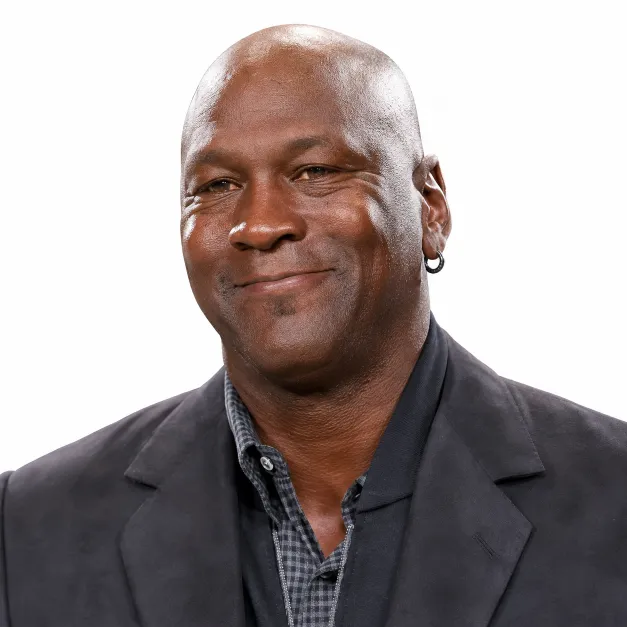
Michael Jordan played his final NBA game in 2003. More than two decades later, his fortune keeps growing. Forbes placed his 2026 net worth at $4.3 billion, up half a billion dollars from the year before, cementing his position as the richest former athlete in history by a wide margin. This guide breaks down exactly where that money comes from, starting with the championship-level career that made it all possible.
Michael Jordan Net Worth: Quick Facts
| Field | Details |
|---|---|
| Full Name | Michael Jeffrey Jordan |
| Net Worth (2026) | $4.3 billion (Forbes) |
| Forbes Global Ranking | #984 among the world’s wealthiest people |
| Became a Billionaire | 2014 |
| Career NBA Salary | Approximately $90 million across 15 seasons |
| NBA Championships | 6, all with the Chicago Bulls |
| MVP Awards | 5 regular season, 6 Finals MVP |
| Primary Wealth Sources | Nike/Jordan Brand royalties, Charlotte Hornets sale, business investments |
The Playing Career That Built the Brand
Before any of the business deals, Jordan built his fortune’s foundation the traditional way: by being the best basketball player of his generation, arguably of all time. Drafted by the Chicago Bulls in 1984 after starring at the University of North Carolina, Jordan won six NBA championships with the Bulls across two separate three-peat runs, in 1991 through 1993 and again in 1996 through 1998.
Individual accolades piled up alongside the team success. He won five regular-season MVP awards and was named Finals MVP all six times the Bulls won a championship, a perfect record matched by no other player in NBA history. He earned 14 All-Star selections across his 15 professional seasons.
That level of on-court dominance is precisely what made Jordan’s early business deals so valuable. Companies were not simply attaching their name to a talented player. They were attaching it to a level of global visibility and competitive excellence that transcended basketball entirely, which is exactly why a single 1984 shoe deal eventually grew into billions of dollars in cumulative royalties.
Michael Jordan’s Current Net Worth
Forbes’ 2026 rankings placed Michael Jordan’s net worth at $4.3 billion, a jump from $3.8 billion the year before. That increase places him 984th among the world’s wealthiest people and confirms his standing as the wealthiest former professional athlete on the planet, ahead of LeBron James’s own billionaire fortune of roughly $1.4 billion.
It’s worth noting directly that Jordan’s personal finances are not publicly disclosed. Every figure discussed here comes from Forbes, Sportico and similar financial tracking organizations, working from reported revenue figures and estimated royalty rates rather than confirmed account statements. Treat these numbers as informed estimates rather than verified balances.
Why His NBA Salary Barely Matters
Jordan earned approximately $90 million in salary across his entire 15-season NBA career. That figure, adjusted for today’s dollars, would still be modest compared to current NBA superstar contracts. It accounts for less than 3% of his current estimated net worth. The overwhelming majority of Jordan’s fortune was built entirely off the court, through business relationships and investments made during and after his playing career.
The Nike Deal That Changed Everything
Jordan signed with Nike in 1984, a partnership that created the Air Jordan brand and fundamentally reshaped athlete endorsement deals for decades afterward. Air Jordan sneakers crossed $100 million in sales in their very first year on the market, an unprecedented figure at the time for a rookie athlete’s signature shoe line.
Cumulative lifetime Nike royalties since that 1984 deal now exceed an estimated $2.35 billion, according to Investormint’s financial breakdown. Jordan Brand alone has grown 268% since Nike first began disclosing its revenue figures separately in 2014. Current annual royalty income for Jordan personally is estimated between $275 million and $350 million, depending on which royalty rate assumption is applied, meaning a shoe deal signed more than four decades ago continues generating an eight or nine-figure annual paycheck today.
The Charlotte Hornets: A Championship-Level Business Move
Jordan’s relationship with the Hornets franchise began well before he owned a majority stake. He first purchased a minority ownership interest in the then-Charlotte Bobcats in 2006, giving him an early foothold in NBA team ownership at a time when very few former players held any ownership stake in a franchise at all. He converted that position into a majority stake in 2010, becoming the first former player to hold majority ownership of an NBA team, a distinction that made him a genuine trailblazer in athlete-to-owner transitions.
Jordan held that majority position for over a decade before selling his majority share in 2023. Over that span, the franchise’s valuation grew enormously as NBA team values across the league surged, turning what began as a significant but modest investment into one of the more lucrative ownership stints in professional sports history.
That 2023 sale, at an estimated valuation of roughly $3 billion, delivered a return of more than 10 times his original investment, according to reporting from Billionaires.Africa. Jordan retained a minority ownership share in the team following the sale. With the Hornets now valued at approximately $4 billion, that remaining stake continues adding meaningfully to his overall net worth.
The Hornets sale specifically made Jordan the first professional athlete to appear on Forbes’ annual list of the 400 richest Americans, a milestone that had never previously been reached by anyone whose primary fame came from professional sports. That distinction underscores just how unusual Jordan’s post-playing financial trajectory has been compared to virtually every other athlete of his era.
Beyond Basketball: NASCAR, DraftKings and Cincoro
Jordan’s business portfolio has continued expanding well past his more famous holdings. He co-owns 23XI Racing, a NASCAR Cup Series team he helped launch in 2020 alongside driver Denny Hamlin. What began as a new venture into an unfamiliar sport has become a genuinely competitive force, with the team holding the top two positions in the championship standings through the first three races of the 2026 season.
He also serves as a special advisor to the board of DraftKings, the sports betting platform, following an investment made in 2020 as the company was establishing itself in the rapidly growing legal sports betting market. Jordan’s advisory role gives him both a financial stake and a voice in strategic decisions at a company operating in an industry closely tied to the sports world where he built his original fame. The DraftKings relationship also reflects a broader pattern in Jordan’s post-playing career: rather than simply lending his name to a brand for a flat licensing fee, he has consistently sought equity positions and advisory roles that let his wealth grow alongside the companies themselves.
Separately, Jordan co-founded Cincoro Tequila in 2019 alongside several other NBA figures, including Wes Edens and the family behind the Milwaukee Bucks ownership group. The premium spirits brand has built a meaningful presence in the luxury market and sponsors the Los Angeles Lakers, a detail that adds a layer of irony given Jordan’s own storied Bulls-era rivalry with the franchise during his playing days.
Philanthropy: Where Jordan’s Giving Goes
Jordan’s charitable giving has grown into a significant and well-documented part of his public legacy, separate from his business holdings. His total philanthropic contributions have surpassed $100 million, spanning educational equity, disaster relief, social justice initiatives and children’s health.
He has served as Make-A-Wish’s Chief Wish Ambassador since 2008, granting his first wish in 1989. In 2023, marking his 60th birthday, he made a record-breaking $10 million donation to the organization, the largest single gift in the nonprofit’s history at the time.
Jordan has also directed substantial giving toward his home state of North Carolina, where he grew up in Wilmington after being born in Brooklyn. Through a long-running partnership with Novant Health, he has funded multiple free medical clinics across the state, surpassing $100 million in combined healthcare philanthropy by 2025. In 2016, he donated $5 million to the Smithsonian National Museum of African American History and Culture and $7 million to fund two Novant Health family clinics bearing his name in Charlotte. In 2020, he committed $100 million over 10 years to organizations promoting racial equality and social justice, one of the largest individual pledges of its kind by any athlete or entertainer.
The James R. Jordan Foundation, named for his late father, continues supporting causes in Chicago, including the James R. Jordan Boys and Girls Club. For more than a decade, Jordan hosted an annual celebrity golf tournament in Charlotte that has raised more than $7 million for organizations including the American Red Cross and Make-A-Wish.
Lifestyle and Major Personal Assets
Jordan’s spending reflects his business-scale wealth. He owns a $115 million superyacht named M’BRACE and a $65 million Gulfstream G650ER private jet. His divorce settlement, reportedly around $168 million, was the largest celebrity divorce settlement on record at the time it was finalized.
Jordan earned an estimated $300 million in 2024 alone, more than any active professional athlete that same year, despite having been retired from competitive basketball for over two decades. That gap, an active athlete’s peers being outearned by a 61-year-old retiree, is a clear illustration of how far Jordan’s business empire has outgrown his original playing career.
How Jordan Compares to Other Wealthy Athletes and Entertainers
Jordan’s $4.3 billion fortune puts him in rare company even among wealthy public figures. His net worth is nearly triple LeBron James’s and more than four times Cristiano Ronaldo’s reported wealth. Among entertainment figures more broadly, his fortune sits below the very top tier of business-savvy entertainers, including directors and producers who built their wealth through studio ownership and backend deals rather than performance fees or salaries alone. Jordan’s wealth still dramatically outpaces nearly every other figure who built their fortune primarily through sports, a gap that continues widening as his Nike royalties and remaining Hornets stake keep compounding year over year.
What Jordan’s Financial Path Says About Athlete Wealth Today
Jordan’s trajectory has become something of a blueprint for the modern athlete-turned-mogul, even though he built much of it before that path was common. Today’s top athletes routinely negotiate equity stakes in the brands they endorse rather than simple flat-fee sponsorships, a shift that traces directly back to the precedent Jordan and Nike set in 1984. His Hornets ownership similarly predates a wave of athletes buying stakes in professional sports franchises after their playing careers end, a trend now common enough that it barely raises eyebrows when a retired star announces a minority stake in an NBA or NFL team.
What sets Jordan apart, even among athletes who followed a similar playbook, is the sheer scale and duration of the compounding. A royalty rate negotiated more than four decades ago is still generating hundreds of millions of dollars annually. A team purchase made in 2010 turned into a multibillion-dollar exit in 2023. Few athletes, even ones actively building similar wealth-generation strategies today, have had the decades of runway Jordan’s early deals afforded him.
Frequently Asked Questions
What is Michael Jordan’s net worth in 2026?
Forbes estimates his net worth at $4.3 billion as of 2026, up from $3.8 billion the previous year.
How much of Michael Jordan’s wealth came from his NBA salary?
Very little. His career NBA earnings totaled roughly $90 million across 15 seasons, accounting for under 3% of his current estimated net worth.
Is Michael Jordan richer than LeBron James?
Yes, by a wide margin. Jordan’s estimated $4.3 billion is roughly three times LeBron James’s reported $1.4 billion net worth.
How much did Michael Jordan make from selling the Charlotte Hornets?
He sold his majority stake in 2023 at an estimated valuation of $3 billion, a return of more than 10 times his original investment, while retaining a minority share in the team.
When did Michael Jordan become a billionaire?
He crossed the billion-dollar mark in 2014, becoming the first former NBA player to reach billionaire status.
How much has Michael Jordan donated to charity?
His total philanthropic giving has surpassed $100 million, spanning organizations including Make-A-Wish, Novant Health medical clinics, the Smithsonian and racial equity initiatives.
What are Michael Jordan’s main sources of income today?
Nike and Jordan Brand royalties, his remaining Charlotte Hornets ownership stake and business investments including 23XI Racing, DraftKings and Cincoro Tequila.
Final Thoughts
Michael Jordan’s $4.3 billion net worth is a story about what happened after his playing career ended, not during it. Six championships and a level of global fame few athletes ever achieve gave him the leverage to negotiate a royalty clause in 1984 that compounded over four decades into billions of dollars, while a well-timed sports franchise investment multiplied into billions more. Two decades removed from his last professional game, Jordan’s fortune keeps proving that his biggest business win was never really about basketball at all, even though basketball is exactly what made it possible.
Editor’s note: This article was researched using verified reporting from Forbes, Britannica, Yahoo Sports, Inside Philanthropy and Investormint’s financial analysis. Net worth figures for private individuals are estimates based on available public information and reported transactions, not confirmed account balances. This article is current as of August 2026 and will be updated if Forbes or other primary sources revise their figures. For more verified celebrity wealth breakdowns, browse our full net worth coverage, including our recent look at Adam Sandler’s $440 million fortune.