


By Magazine Media Staff (Lifestyle Desk)
You started drinking more water, hoping for clear skin. A few days passed. Nothing dramatic happened yet. Now you are wondering if it even works. Here is the honest answer. How long it takes for water to clear skin on the face depends on what “clear” means to you. The real timeline is longer than most quick-fix articles admit.
The Quick Answer
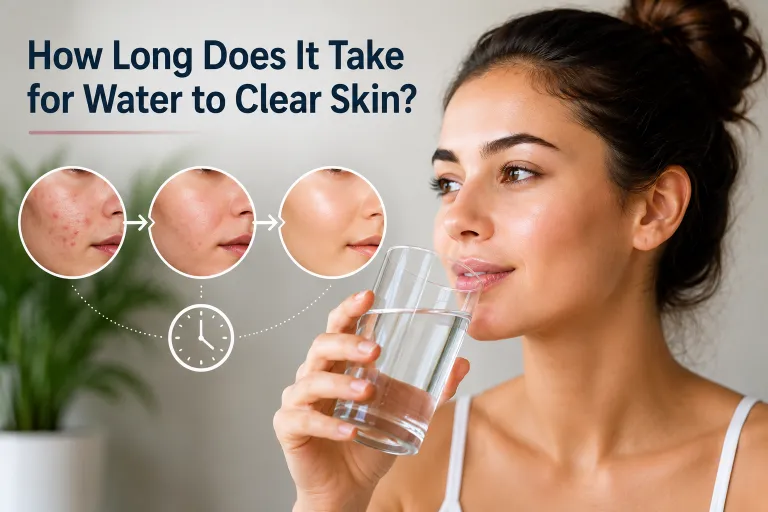
Most people notice some improvement in skin hydration and texture within a few days to two weeks. Real, visible clarity changes usually take four to six weeks of consistent water intake. For deeper issues like active breakouts or long-term dullness, a full two to three months is more realistic.
These numbers vary across sources online. That is normal. Bodies are different. “Clear skin” means different things to different people too. The ranges above reflect a reasonable middle ground across multiple wellness and dermatology sources rather than one single guaranteed number.
Why Water Does Not Work Instantly
Skin does not update overnight. Your skin cells go through a natural renewal cycle. A new cell forms deep in the skin. It takes roughly 28 to 30 days to travel to the surface, where you can actually see it. As people get older, this cycle can slow down. It can stretch past 45 days for some adults.
This is the real reason water cannot clear your face in a day or two. When you improve your hydration today, you are supporting the newer cells forming underneath your skin right now. It takes weeks for those better-hydrated cells to actually reach the surface and become visible. That is also why how long it takes for water to clear skin on the face never has a same-day answer, no matter how much you drink at once.
What Water Can and Cannot Do for Your Skin
Water is genuinely useful for skin health. It also has real limits. Understanding both sides helps you set expectations that will not leave you disappointed after a week.
What water actually helps with:
- Supporting your skin’s natural barrier function
- Reducing the compensatory oil production that happens when skin is dehydrated
- Improving circulation, which helps deliver nutrients to skin cells
- Supporting digestion and kidney function, which plays a small role in how your body processes waste
What water will not do on its own:
- Clear hormonal acne caused by hormone fluctuations
- Remove acne-causing bacteria by itself
- Fix clogged pores caused by makeup, sunscreen or skincare buildup
- Replace an actual skincare routine or dermatologist-recommended treatment
Water is a foundation. It is not a complete solution by itself. Pairing it with the right skincare habits gets you results faster than water alone ever will.
Week-by-Week: What to Realistically Expect
Here is a general timeline based on how skin actually responds to improved hydration. This kind of breakdown answers how long does it take for water to clear skin on face more precisely than a single number ever could.
| Timeframe | What You Might Notice |
|---|---|
| Days 1 to 3 | Slightly less tightness or dryness. Possibly less obvious under-eye puffiness. |
| Weeks 1 to 2 | Improved texture. A bit more softness. Minor reduction in dullness. |
| Weeks 3 to 4 | More noticeable evenness in tone. Existing blemishes may heal slightly faster. |
| Weeks 4 to 6 | Visible improvement in overall clarity and glow, assuming consistent intake. |
| Months 2 to 3 | Fuller results if hydration is paired with a consistent skincare routine and good sleep. |
Individual results depend heavily on your starting hydration level, diet, sleep, stress, and skincare habits. Someone who was severely dehydrated before starting will likely notice faster initial changes. Someone who was already reasonably hydrated may notice smaller, slower shifts.
Does Anything Speed Up the Timeline?
Nothing shortens the underlying skin cell cycle in a meaningful way. A few habits can still help you get the most out of the hydration you are already drinking.
Eating water-rich foods. Cucumbers, watermelon, oranges, and leafy greens add to your total fluid intake through the day. They also come with vitamins and antioxidants that support skin health alongside hydration.
Getting enough sleep. Skin repair happens largely during sleep. Pairing good hydration with seven to nine hours of quality sleep tends to produce faster, more visible results than water alone.
Reducing sodium and alcohol intake. Both can pull water out of your skin cells and work against the hydration you are trying to build. Cutting back on either one can help your skin hold onto moisture more effectively.
Managing stress. Chronic stress raises cortisol, which can worsen breakouts and dull your complexion regardless of how well hydrated you are. Stress management will not replace water. It removes one more obstacle standing in the way of visible progress.
None of these habits work as a shortcut on their own. Combined with steady water intake, they simply remove some of the factors that could otherwise slow down the timeline covered earlier in this guide.
How Much Water You Actually Need
Most healthy adults do well with somewhere between 8 and 12 cups of water a day. This depends on body size, activity level, and climate. Spreading that intake evenly across the day works better than drinking it all at once.
For a full breakdown of exactly when to drink water throughout the day for the best skin results, see our detailed guide on the best time to drink water for glowing skin. That guide covers morning, mealtime, and evening timing in depth. This article focuses on the timeline question instead of repeating that schedule here.
Why You Might Not Be Seeing Results
If you have been drinking more water for weeks without noticeable change, water intake is probably not the only factor at play. Common reasons results stall include the following.
Hormonal factors. Acne linked to hormones, such as around menstrual cycles or certain medical conditions, will not resolve through hydration alone.
Skincare routine gaps. Using the wrong cleanser, skipping sunscreen, or over-exfoliating can undo any benefit water provides.
Diet and sleep. High sugar intake, poor sleep and chronic stress all affect skin independently of hydration levels.
Underlying skin conditions. Conditions like eczema, rosacea, or cystic acne need targeted treatment. Better hydration alone will not resolve them.
Inconsistent intake. Drinking a lot of water for two days and then forgetting for the rest of the week will not produce the steady hydration your skin actually needs.
Signs Your Skin Is Actually Responding to Water
It helps to know what early progress actually looks like, since it rarely matches the dramatic before-and-after photos used in ads. Watch for these subtle signs during the first few weeks.
Less tightness after washing your face. Dehydrated skin often feels tight or slightly uncomfortable right after cleansing. As hydration improves, that tightness tends to fade first.
Slightly less visible fine lines. Fine lines caused by dehydration, sometimes called dehydration lines, can look softer once skin holds more moisture. This is different from deeper wrinkles, which water will not change.
Reduced puffiness in the morning. When your body is not retaining water to compensate for dehydration, morning puffiness around the eyes and face often improves within the first one to two weeks.
A slightly more even skin tone. This tends to show up later, usually in the three to six week range, as circulation and cell turnover both improve together.
Fewer new breakouts, even if old marks remain visible. Better hydration can reduce new blemishes forming before it visibly fades marks left by older ones, since fading marks depends more on cell turnover than on hydration alone.
If you notice several of these signs, water intake is very likely helping, even if your skin does not look dramatically different yet.
Combining Water With a Skincare Routine for Faster Results
Water and skincare work together rather than competing with each other. A simple, consistent routine alongside good hydration tends to produce faster, more noticeable results than either habit on its own.
A reasonable baseline routine includes four things. Use a gentle cleanser twice daily. Apply a lightweight moisturizer to lock in hydration from both water and topical products. Wear daily sunscreen to prevent damage that undoes progress. Add any targeted treatment recommended by a dermatologist for specific concerns like acne or hyperpigmentation.
Think of water as internal hydration and your skincare routine as external hydration and protection. Neither one replaces the other. How long does it take for water to clear skin on face becomes a much shorter timeline once both habits work together consistently.
Can You Drink Too Much Water?
Yes. More water is not automatically better for your skin. Once your body is adequately hydrated, additional water does not add extra skin benefits. Excessive intake can also disrupt your electrolyte balance. It can put unnecessary strain on your kidneys.
The goal is consistent, adequate hydration. It is not maximum volume. Staying within the general daily range mentioned earlier is enough for most people.
When to See a Dermatologist
You may want professional input in certain situations. If you have been consistent with water intake and a reasonable skincare routine for six to eight weeks without improvement, that is one sign. Persistent acne, unexplained rashes or severe dryness are others.
Some skin issues need targeted treatment that hydration alone cannot address. A dermatologist can identify what is actually going on rather than leaving you to guess. Waiting months for water alone to fix a condition that needs medical attention is not the best use of your time.
Common Myths About Water and Skin
A few claims about water and skin circulate constantly online. Most of them oversell what plain hydration can actually do.
“Drinking a gallon of water clears skin overnight.” This is not accurate. As covered earlier, skin cell turnover takes weeks, not hours. No amount of water consumed in a single day changes that biological timeline.
“More water always means better skin.” Past a certain point, extra water does not add extra benefit. Your body simply excretes what it does not need. Excessive intake can strain your kidneys instead of helping your skin.
“Water changes your skin tone or shade.” Hydration affects clarity, texture and puffiness. It does not lighten or darken your natural skin tone. Claims about drinks that permanently change skin color are not supported by real evidence. Readers should stay cautious of that kind of marketing.
“You need expensive or specialty water for skin benefits.” Plain tap or filtered water hydrates just as effectively as pricier bottled or infused options for the vast majority of people. Consistency matters far more than the source of the water.
Separating realistic expectations from marketing claims makes it much easier to stay patient through the actual multi-week timeline your skin needs.
Frequently Asked Questions (FAQs)
1. How long does it take for water to clear skin on the face?
Minor improvements in texture and hydration often appear within one to two weeks. Real, visible clarity changes typically take four to six weeks of consistent intake. Deeper issues may take two to three months.
2. Can drinking water alone clear acne completely?
No. Water supports skin health and can reduce some contributing factors. It will not clear acne on its own, especially acne linked to hormones or bacteria.
3. Why do different sources give different timelines for water clearing skin? Skin responds differently based on genetics, starting hydration level, diet, sleep, and skincare habits. There is no single universal number. Ranges rather than exact days are more accurate for this reason.
4. Does drinking more water than recommended speed up results? No. Once you are adequately hydrated, extra water does not add additional skin benefits. It can disrupt your body’s electrolyte balance instead.
5. What is the fastest way to see skin improvement from water?
Consistency matters more than volume. Spreading water intake evenly throughout the day, rather than drinking large amounts occasionally, tends to show results fastest within the normal one- to two week window.
6. Should I stop other skincare products while testing if water clears my skin?
No. Water works best alongside a proper skincare routine. It is not a replacement for one. Removing other steps will likely slow your results rather than speed them up.
7. Does age affect how long it takes for water to clear skin on the face?
Yes. Skin cell turnover slows with age, sometimes stretching past 45 days instead of the typical 28 to 30. Older skin may take somewhat longer to show visible hydration benefits.
8. Is it normal to see no change at all after two weeks?
It happens. It does not always mean water is not working. Some people simply need the fuller four- to six-week window before changes become visible, especially if other habits like sleep or diet are inconsistent.
Conclusion
How long does it take for water to clear skin on the face? is a fair question. The honest answer involves patience rather than a single magic number. Expect small improvements within the first couple of weeks. Expect more visible changes by four to six weeks. Expect full results over two to three months if you stay consistent. Water is a genuine foundation for healthier skin. It works best paired with good skincare, solid sleep and a balanced diet rather than as a stand-alone fix.
This article is intended for general wellness information and is not a substitute for personalized medical advice. Persistent acne, unexplained skin changes, or severe dryness should be evaluated by a dermatologist rather than addressed through hydration alone.